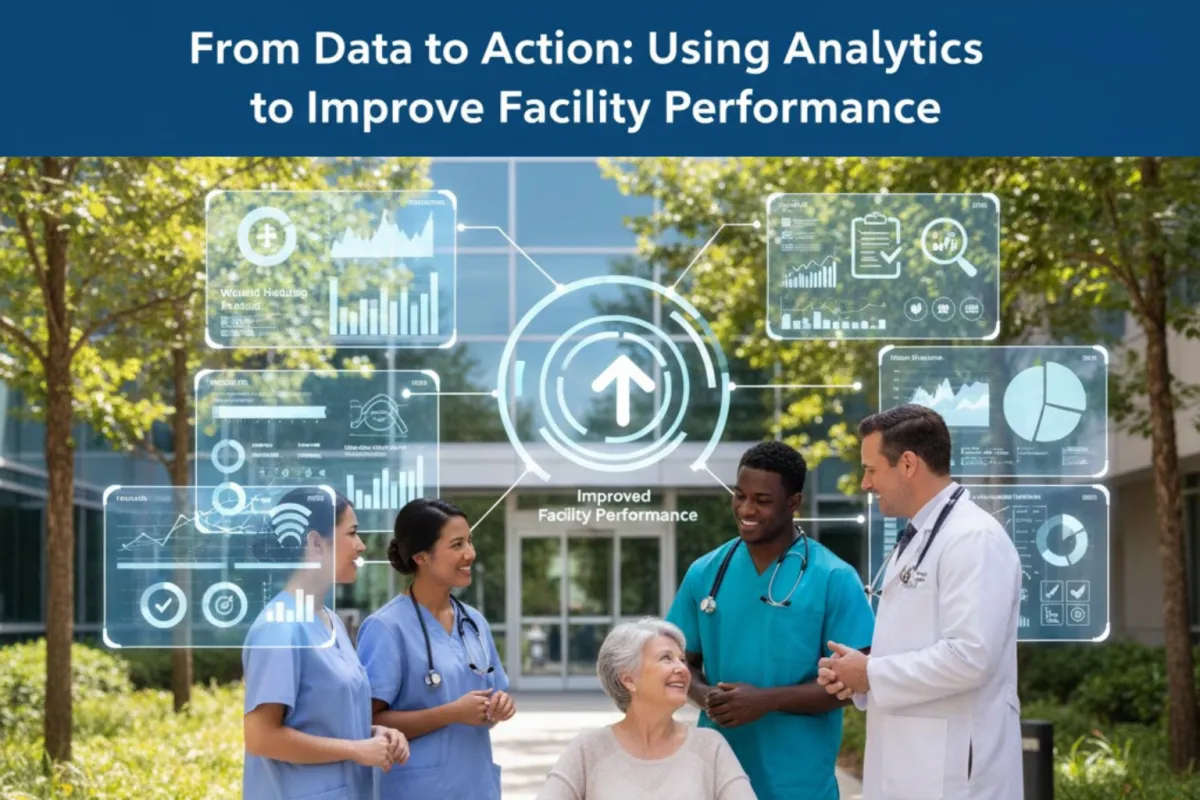
From Data to Action: Using Wound Analytics to Improve Facility Performance
Learn how analyzing trends in wound incidence can guide staffing, prevention, and compliance strategies.
OFFICIAL WEBSITE — CLICK HERE
In skilled nursing facilities (SNFs), wound care is more than a clinical necessity—it is a critical driver of quality ratings, resident satisfaction, and financial performance. For Directors of Nursing (DONs) and facility leadership, understanding wound patterns isn’t just about treating injuries; it’s about using data to make actionable decisions that prevent harm, optimize staffing, and ensure regulatory compliance. Yet many SNFs struggle to convert wound data into meaningful insights, leaving pressure injuries, hospital readmissions, and survey deficiencies as persistent challenges.
Enter the power of wound analytics. By systematically tracking incidence, healing rates, and care interventions, SNFs can identify trends, prioritize high-risk residents, and implement targeted prevention strategies. Facilities leveraging these insights consistently outperform peers in clinical wound outcomes, CMS quality measures, and staff satisfaction. This is where the SNF Partnership Program transforms data into action, turning raw wound statistics into measurable improvements across the continuum of care.
The Wound Analytics Advantage
Modern SNFs generate vast amounts of clinical data—from EMR documentation to nursing assessments—but without a structured analytics strategy, this data often remains underutilized. Wound analytics provides a clear framework to:
Identify high-risk residents: Predictive analytics can flag patients with comorbidities or limited mobility who are most likely to develop pressure injuries.
Track healing progression: Quantitative tracking of wound size, depth, and stage helps evaluate the effectiveness of interventions.
Measure staff performance and workflow efficiency: Analytics reveal gaps in care delivery, allowing targeted education and better resource allocation.
Optimize regulatory compliance: Monitoring wound incidence ensures accurate reporting for PDPM optimization and CMS quality measures.
Research shows that facilities actively using structured wound data see a significant reduction in hospital readmissions and improved Five-Star ratings. According to a recent peer-reviewed study, SNFs implementing evidence-based wound care programs experienced a 25% reduction in pressure injuries within the first six months of tracking trends and applying targeted interventions (source).
How the SNF Partnership Program Works
For facilities seeking measurable results, the SNF Partnership Program provides a structured pathway to elevate wound care standards and overall facility performance. Here’s how to Partner With Us:
Submit a Quick Assessment or Questionnaire
This initial step allows our team to understand your current wound care metrics, staffing structure, and operational challenges.Facility Wound-Care & Quality Measures Assessment
Our experts conduct a detailed review of resident outcomes, staff competencies, and compliance with quality measures SNF and regulatory compliance SNF requirements.Onsite or Virtual Staff Collaboration & Education
Education is delivered where it’s most effective—directly to your staff. Focused sessions improve wound management education, enhance workflow efficiency, and empower frontline caregivers.Documentation + Regulatory Compliance Support
We guide your team in accurate EMR documentation, ensuring readiness for surveys and audits while maximizing PDPM optimization.Ongoing Performance Reporting & Improvement Cycle
Continuous monitoring of post-acute care outcomes allows your facility to iterate and improve, maintaining higher Five-Star ratings and reducing preventable injuries.
By following this model, facilities achieve tangible results while fostering a culture of clinical excellence and staff engagement.
Tangible Benefits for SNF Leadership
Partnering through a structured wound analytics program provides a spectrum of measurable advantages:
Improved pressure injury prevention & wound outcomes: Data-driven interventions directly reduce resident harm.
Higher Five-Star & QRP/PDPM quality measures: Strategic care improves facility ratings and reimbursement accuracy.
Reduced hospital readmissions: Early detection and standardized care prevent escalation and costly transfers.
Survey readiness and fewer deficiencies: Continuous monitoring ensures compliance with CMS and state regulations.
Staff empowerment and lower burnout: Staff gain confidence through education, clearer protocols, and supportive oversight.
Stronger community reputation and family satisfaction: Families value visible quality improvements and proactive care.
Better financial stability and resource allocation: Reduced complications and optimized staffing lead to cost savings.
These outcomes align directly with DON leadership goals: better resident care, improved operational efficiency, and higher staff morale.
Partner Success Stories
The results of effective SNF Partnerships are best illustrated through real-world transformations:
1. Central Valley Skilled Nursing Center
Facing a high incidence of stage II pressure injuries, the facility implemented the SNF Partnership Program. Within six months:
Stage II injuries dropped by 40%
Staff turnover decreased by 15% due to targeted education and workflow adjustments
CMS survey yielded zero wound-related deficiencies
Families reported improved confidence in care, and the facility achieved a full Five-Star improvement.
2. Lakeside Rehabilitation & Care
By analyzing wound trends, leadership identified gaps in offloading techniques for residents with diabetes and limited mobility. Partnering onsite, the team received hands-on training, resulting in:
30% faster wound healing rates across the resident population
Optimized PDPM coding for better reimbursement
Elevated staff engagement scores, reducing burnout-related absenteeism
Regulators praised the facility for proactive quality measures, reinforcing the facility’s reputation in the community.
3. Harborview Post-Acute Care
Harborview struggled with fragmented documentation and inconsistent care protocols. Through the partnership:
Wound data was standardized across EMRs
Targeted workshops improved pressure injury prevention
Readmissions fell by 20%, and patient satisfaction scores improved significantly
The facility reported a cultural shift: staff felt empowered, families noticed consistent care, and leadership could demonstrate clear ROI from the program.
Integrating Wound Analytics Into Daily Operations
Effective SNF Partnerships extend beyond assessment and training—they embed analytics into daily operations. Best practices include:
Daily wound rounds and digital dashboards: Real-time tracking allows immediate intervention.
Risk stratification protocols: High-risk residents receive enhanced monitoring and care.
Staff feedback loops: Nurses and aides provide on-the-ground insights, continuously refining interventions.
Predictive modeling: Leveraging historical trends helps anticipate future needs, aligning staffing and supplies accordingly.
These approaches transform wound care from reactive treatment to proactive prevention, directly benefiting facility outcomes and resident quality of life.
How to Partner With Us
Starting a SNF Partnership is simple, structured, and results-driven:
Submit a Quick Assessment or Questionnaire
A streamlined form evaluates your facility’s current wound care status.Facility Wound-Care & Quality Measures Assessment
Experts review clinical outcomes, regulatory compliance, and operational workflows.Onsite or Virtual Staff Collaboration & Education
Focused training sessions improve skills, morale, and adherence to SNF wound care best practices.Documentation + Regulatory Compliance Support
Accurate, efficient documentation ensures survey readiness and supports PDPM optimization.Ongoing Performance Reporting & Improvement Cycle
Continuous analytics and feedback allow for measurable improvements in skilled nursing outcomes.
Start your journey today and experience how a structured wound analytics program can transform your facility: ➡️ Submit Your Assessment
Strengthening Clinical Leadership Through Data
For DONs and SNF administrators, embracing data-driven wound care is not just about compliance—it is a leadership imperative. By leveraging analytics:
Decision-making becomes proactive rather than reactive
Staff engagement improves, as nurses see tangible results from their efforts
Resident trust and satisfaction grow, contributing to stronger family and community relationships
Financial health is enhanced, through lower readmissions and optimized PDPM reimbursement
Facilities that adopt this mindset position themselves as leaders in wound care consulting SNF, setting benchmarks for peers and creating a sustainable culture of excellence.
References and Resources
To reinforce best practices and ongoing learning, consider these authoritative resources:
Peer-reviewed study on wound care interventions: NCBI PMC
Industry reports on post-acute care outcomes and skilled nursing collaboration
Integrating these insights into your facility workflow ensures alignment with national standards and positions your SNF as a leader in quality care.
Take Action Today
The difference between average outcomes and exemplary performance often comes down to one step: choosing to partner with a proven wound care analytics program. With the SNF Partnership Program, your facility can:
Reduce preventable wounds and readmissions
Achieve higher quality ratings and regulatory compliance
Empower staff and strengthen resident trust
Secure long-term financial and operational stability
DONs and facility leaders cannot afford to delay—every day without actionable wound analytics is a missed opportunity to improve care, satisfaction, and ratings. Begin your wound care improvement journey today: ➡️ REQUEST SNF PARTNERSHIP REVIEW — OFFICIAL LINK
