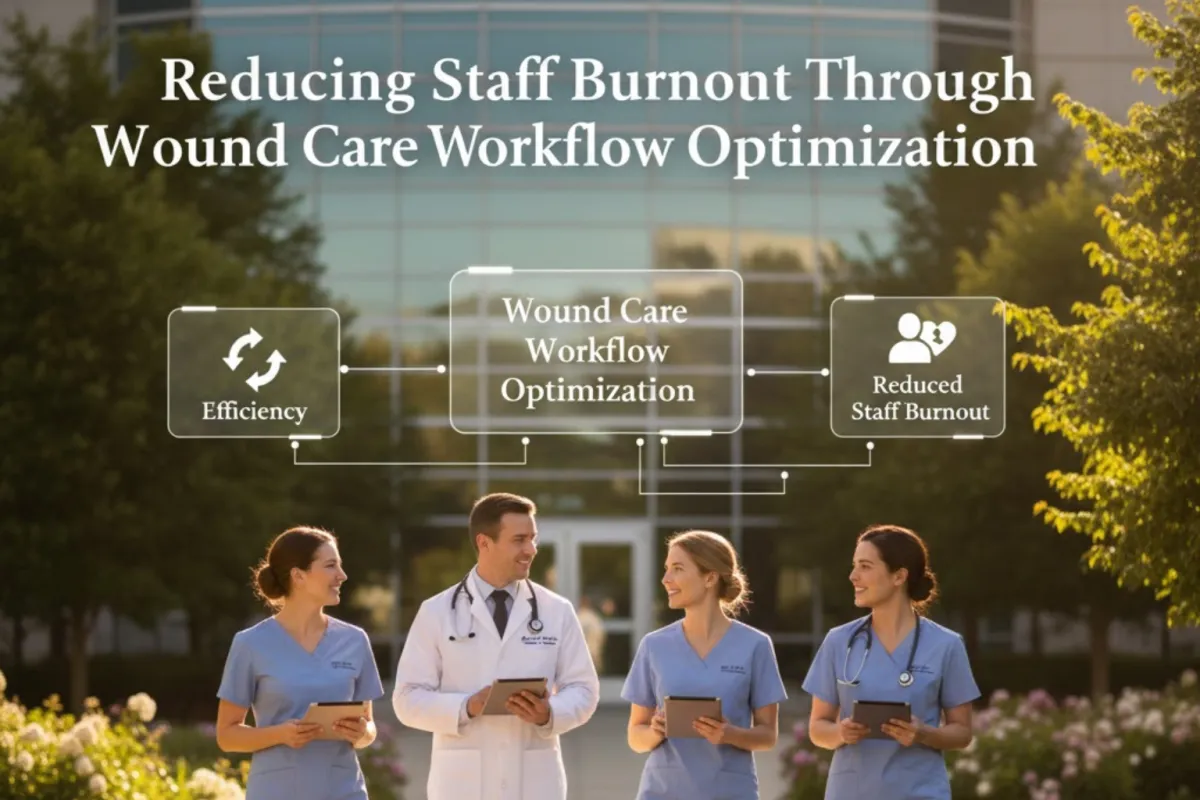
Reducing Staff Burnout Through Wound Care Workflow Optimization
OFFICIAL WEBSITE — CLICK HERE
Learn how streamlined wound care processes save time, reduce errors, and keep your nursing team motivated.
In the fast-paced environment of skilled nursing facilities (SNFs), Directors of Nursing (DONs) and nursing leadership face the dual challenge of maintaining exceptional patient care while keeping staff morale high. Wound care, a critical component of patient outcomes, often contributes significantly to staff stress due to its complexity, documentation requirements, and high-risk nature. Inefficient wound care workflows not only affect patient health but also fuel staff burnout, leading to turnover, increased errors, and potential regulatory deficiencies.
Streamlining wound care workflows is more than a process improvement—it’s a strategic approach to safeguarding your team, enhancing clinical outcomes, and elevating your facility’s reputation. Facilities that leverage a structured SNF Partnership experience measurable improvements in pressure injury prevention, reduced hospital readmissions, and stronger quality measures—all while empowering staff to deliver confident, compassionate care.
The High Cost of Inefficient Wound Care Workflows
Wound care in SNFs is notoriously resource-intensive. Staff often navigate:
Multiple electronic health record (EHR) systems
Complex documentation and regulatory requirements
Frequent wound assessments and dressing changes
Coordination across interdisciplinary teams
This fragmented approach leads to missed assessments, inconsistent treatment, and overworked nursing teams. According to CMS quality measures, facilities with suboptimal wound care workflows are at higher risk of survey deficiencies and reduced quality ratings—directly impacting Five-Star scores, PDPM optimization, and reimbursement potential.
An effective wound care partnership program addresses these pain points through workflow optimization, staff education, and compliance support, creating measurable benefits for both patients and staff.
How SNF Partnership Programs Transform Wound Care
A well-structured SNF Partnership is more than a consultation—it’s a complete workflow redesign designed to:
Improve pressure injury prevention & wound outcomes
Enhance regulatory compliance and documentation
Reduce hospital readmissions
Streamline PDPM and quality measure optimization
Boost staff confidence and morale
Strengthen family satisfaction and facility reputation
By integrating evidence-based SNF wound care best practices with targeted staff training and ongoing performance monitoring, facilities can turn wound care from a stressor into a showcase of clinical excellence.
How to Partner With Us
Joining the SNF Partnership Program is straightforward and designed to minimize disruption while maximizing results:
Submit a Quick Assessment or Questionnaire – Begin by completing our short assessment form to help us understand your facility’s current wound care workflows.
Facility Wound-Care & Quality Measures Assessment – Our team evaluates your processes, outcomes, and regulatory adherence to identify improvement opportunities.
Onsite or Virtual Staff Collaboration & Education – We provide hands-on guidance and education to empower nursing staff and DONs.
Documentation + Regulatory Compliance Support – Streamlined reporting ensures your facility is survey-ready and aligned with CMS requirements.
Ongoing Performance Reporting & Improvement Cycle – Continuous monitoring and tailored recommendations help sustain improvements and optimize PDPM and quality measures.
By following this structured approach, your facility can realize immediate workflow efficiencies while fostering a culture of accountability and professional growth.
Partner Success Stories
1. Enhanced Clinical Outcomes & Reduced Readmissions
A mid-sized SNF in Texas partnered with Oracle Wound Care to optimize its wound care protocols. Within six months:
Pressure injury rates dropped by 40%
Hospital readmissions for wound-related complications decreased by 25%
Staff reported higher confidence in wound assessments and treatment planning
This facility also saw a measurable improvement in CMS quality measures, positioning them for higher Five-Star ratings and increased PDPM revenue.
2. Survey Readiness & Regulatory Compliance
A Northeast SNF struggled with inconsistent documentation and survey deficiencies. After enrolling in the SNF Partnership Program:
All wound-related survey citations were resolved within one cycle
Staff were trained on standardized documentation templates
Onsite support reduced errors and ensured regulatory compliance
The DON highlighted that the program not only improved patient care but also alleviated her personal stress in preparing for surveys.
3. Staff Empowerment & Workflow Optimization
A California SNF faced high turnover due to staff burnout. By collaborating with Oracle Wound Care:
Nursing workflows were streamlined, cutting documentation time by 30%
Staff retention improved as nurses felt supported and competent
Facility gained a stronger reputation among local families, boosting admissions
The emotional impact was profound: staff felt recognized and valued, translating into higher morale and better patient-centered care.
Tangible Benefits for Directors of Nursing
The SNF Partnership provides DONs and SNF leadership with real, measurable advantages:
Improved Pressure Injury Prevention & Wound Outcomes – Evidence-based strategies and monitoring tools minimize wound complications.
Higher Five-Star & QRP/PDPM Quality Measures – Targeted workflow improvements and staff education elevate your facility’s metrics.
Reduced Hospital Readmissions – Proactive wound care reduces avoidable transfers, protecting both patient health and facility resources.
Survey Readiness & Fewer Deficiencies – Regulatory support ensures compliance and reduces survey stress.
Staff Empowerment & Lower Burnout – Streamlined processes, education, and mentorship enhance morale and reduce turnover.
Stronger Community Reputation & Family Satisfaction – Consistently high-quality care builds trust and drives referrals.
Better Financial Stability & Resource Allocation – Optimized workflows free up staff time and reduce avoidable costs.
By focusing on these outcomes, DONs can directly influence both clinical and operational success while safeguarding staff wellbeing.
Evidence-Based Insights
Facilities partnering with Oracle Wound Care gain access to peer-reviewed studies and industry reports demonstrating the impact of workflow optimization on skilled nursing outcomes. Key references include:
CMS Updates on Pressure Injury Prevention
Peer-reviewed research on wound care outcomes in SNFs
Oracle Wound Care blog insights on clinical best practices and staff education
These resources empower facilities to implement evidence-based strategies that directly influence patient outcomes, staff satisfaction, and regulatory compliance.
Take Action Today
Every day that passes without workflow optimization is a missed opportunity for better patient care, reduced staff burnout, and higher regulatory compliance. DONs and SNF leaders who take action now can transform their facility’s wound care program, improve clinical outcomes, and elevate staff satisfaction.
Start your journey today: complete the SNF Partnership assessment and take the first step toward a more efficient, empowered, and successful skilled nursing facility.
OFFICIAL PARTNERSHIP PAGE — CLICK HERE
